
Difference Between Crib and Bassinet: Choosing the Right Sleeping Solution for Your Baby
Introduction
Choosing the optimal sleeping environment for your newborn can be challenging with all the available options. Cribs and bassinets are two popular choices, each offering unique benefits and drawbacks. Understanding their core differences will empower you to make a decision that aligns with your family’s needs. This article explores what makes cribs and bassinets distinct, guiding you to the best choice for your little one.
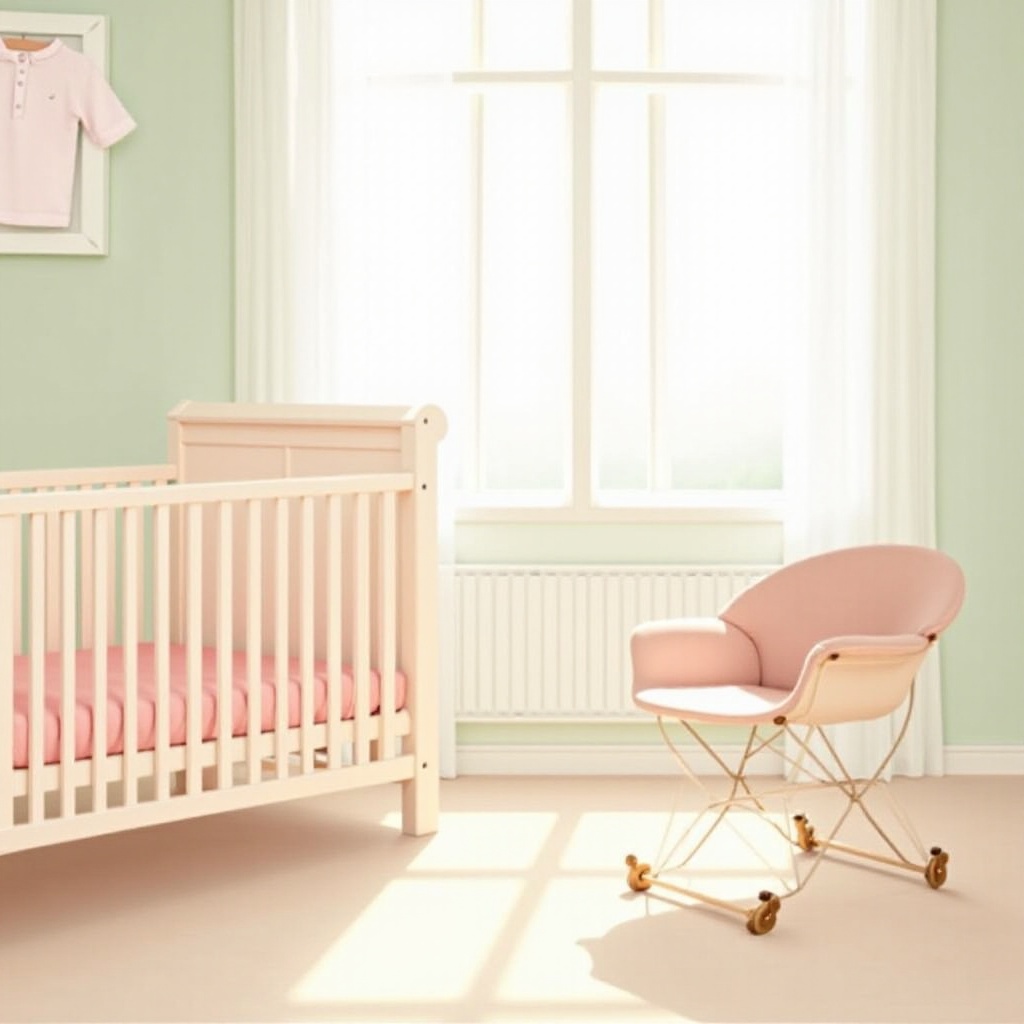
What is a Bassinet?
A bassinet is a compact, portable sleeping space designed for newborns and younger infants. Its low sides facilitate easy access to the baby, and its lightweight and compact design make it ideal for parents needing a flexible solution that integrates easily with any living space.
Bassinets typically feature a basket-like structure on a stand, equipped with a soft mattress and occasionally a canopy to shield the baby from light. These features make bassinets particularly convenient for nighttime feedings, allowing parents to keep their newborn close. This convenience underscores why bassinets are a popular choice for infants, although their usability is generally limited to the first few months of life.

What is a Crib?
In contrast, cribs offer a permanent sleeping solution suitable from infancy through toddlerhood. Cribs are larger and more robust, designed for use over a longer period as the child grows. They provide a safe and spacious resting place, adapting to the needs of a developing child.
Cribs commonly have high sides, ensuring safety as babies begin to move. Various styles—from standard models to convertibles that grow with your child—offer both durability and versatility. While cribs lack the portability of bassinets, they are valued for their longevity and sturdiness, making them a worthwhile long-term investment for parents.
From these definitions, we now move to explore the specific differences between cribs and bassinets, focusing on key characteristics and practical considerations.
Key Differences Between Cribs and Bassinets
- Size and Portability:
- Bassinets are smaller and designed for mobility, offering an easy-to-move option that fits seamlessly into various spaces.
-
Cribs are significantly larger, intended for a fixed location, often requiring a dedicated space in a nursery or bedroom.
-
Age Recommendations:
- Bassinets are generally suitable for newborns up to 4-6 months or until the infant can roll over or push up.
-
Cribs accommodate children from birth up to 3 or 4 years old, supporting the child’s growth and development over several years.
-
Cost Considerations:
- The price of bassinets can be more affordable, but it varies with added features such as vibrations or built-in sound machines.
- While cribs represent a more considerable initial investment, their durability and extended use can provide greater long-term value.
These points not only differentiate the two products but also highlight their unique advantages related to safety, which remains a top concern for any parent.
Safety Standards and Guidelines
Whether opting for a crib or a bassinet, safety is paramount. Each comes with specific safety standards parents should be mindful of. Bassinets should meet ASTM standards and have a sturdy base to prevent tipping. A firm, snug mattress minimizes suffocation risk.
Cribs need to adhere to CPSC regulations, featuring a tight-fitting mattress, no corner posts, and closely spaced bars to prevent head entrapment. It’s important to note that drop-side cribs are no longer considered safe and are prohibited.
With safety addressed, we can now explore the pros and cons of bassinets to better understand the scenarios in which they may be more or less advantageous for parents.
Pros and Cons of Bassinets
- Advantages of Bassinets:
- Their portability and space-saving design make them ideal for smaller living areas.
- Easy accessibility during the night reduces strain for parents tending to their infants.
-
Lightweight construction allows for effortless movement to different rooms, keeping the baby always close by.
-
Limitations of Bassinets:
- Outgrown quickly, necessitating an eventual transition to a crib within a few months.
- Generally less sturdy compared to cribs, which may not provide the needed support as a child grows.
Considering these pros and cons helps parents determine which option may best suit their family’s lifestyle and preferences.

Factors to Consider When Choosing for Your Baby
When deciding between a crib and a bassinet, consider these factors:
- Space: Assess the available space in your home. Bassinets require less room, whereas cribs need a larger, dedicated space.
- Budget: Cribs may require a more significant early investment, but bassinets, while initially cheaper, may need replacing sooner.
- Duration of Use: Cribs offer long-term usage, whereas bassinets are temporary solutions. Consider future needs, such as potential siblings.
- Lifestyle Needs: Frequent travelers or those who move often might prefer the flexibility and portability of a bassinet.
These considerations help tailor your decision to your unique needs and future plans, allowing for a more personalized approach to choosing the right sleeping solution.
Conclusion
In conclusion, both cribs and bassinets offer distinct features and benefits. Bassinets are ideal for those seeking flexibility and immediate access to a newborn, while cribs provide a durable, long-term sleeping arrangement. Understanding your specific needs, considering safety standards, and evaluating practical aspects such as space and budget can make this critical parenting decision more straightforward and stress-free.
Frequently Asked Questions
How long can a baby sleep in a bassinet?
Babies can usually sleep in a bassinet until about 4-6 months or until they exceed the bassinet’s weight limit and begin to roll over or push up.
Is it safer to use a crib from birth?
Both cribs and bassinets are safe when used correctly. Cribs offer more longevity and have high sides, adhering to safety standards as babies grow.
Can I use a bassinet instead of a crib permanently?
No, bassinets are designed for short-term use with newborns. Eventually, children will need the space and stability that a crib provides.