
Troubleshooting ‘Your Computer is Not Authorized’: Causes and Solutions
Introduction
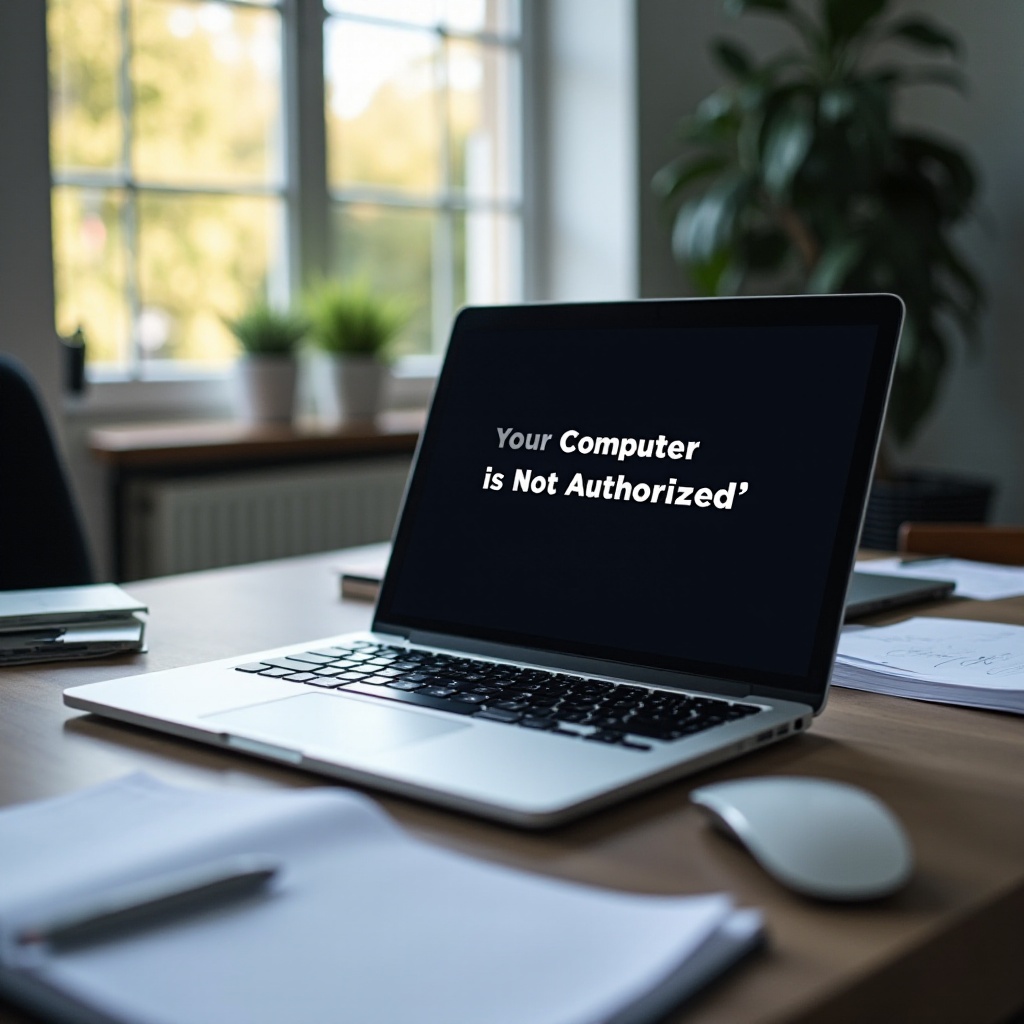
Facing the dreaded ‘Your computer is not authorized’ message can bring productivity to a screeching halt. These issues often arise when you try to sync apps, access files, or connect to network resources. At the core, these messages indicate that your system doesn’t recognize your permissions for certain tasks, often due to software updates, incorrect login details, or network issues. This guide will help you dive into the causes and provide actionable steps to resolve them.

Understanding Authorization Issues
Authorization issues occur when there’s a disconnect between what your system believes your permissions are and what you are trying to achieve. This misalignment often comes up through oversight in credential recognition or permission allocation. Errors may restrict software usage or file access, impacting personal and professional workflows. Identifying the nature of these issues is the first move in tackling and resolving them efficiently.
Common Causes of ‘Computer Not Authorized’ Errors
To systematically address these errors, one must consider three primary causes:
- Software and System Updates:
-
New updates can alter system configurations, affecting authorization settings.
-
Incorrect Credentials and Login Information:
-
Entering the wrong username or password often leads to these errors. Ensure details are accurate and current.
-
Network Connectivity Problems:
- An unstable connection might block your system from verifying credentials. Check that your internet connection is robust.
These are common issues that might lead to authorization errors. With this understanding, we can move to troubleshooting steps that address these specific causes effectively.

How to Troubleshoot Authorization Problems
Following a structured approach can help you resolve authorization problems more efficiently:
- Verify Credentials and Permissions:
-
Recheck and update your username and password. Consider recovering lost passwords through service tools.
-
Update Software and Drivers:
-
Ensure your operating system and applications are up-to-date. Many updates fix bugs that could cause these issues.
-
Check Network Settings and Connectivity:
- Test your Wi-Fi connection or restart your router to troubleshoot connectivity issues.
Completing these steps can solve most authorization errors. Advanced issues, however, may need a more in-depth approach to effectively address persistent problems.
Advanced Solutions for Persistent Issues
Occasionally, authorization errors need more than basic troubleshooting:
- Re-authorize Devices on Accounts:
-
Log into accounts and manage devices, removing and re-adding devices for newer authorizations.
-
Review Security Settings and Permissions:
-
Ensure software permissions align with administrative policies.
-
Consult Platform-Specific Support Resources:
- As platforms are distinct, leveraging professional support can help tackle specific issues quickly.
These solutions are designed for deeper issues that standard methods can’t solve. Addressing such problems ensures smoother device use without interruptions in access.
Prevention Tips for Avoiding Authorization Errors
Proactively maintaining systems keeps authorization issues at bay:
- Consistent Software Updates and Maintenance:
-
Automate updates to ensure systems function with all current patches and improvements.
-
Safeguard Login Credentials:
-
Employ password managers to keep credentials accurate and reduce input errors.
-
Ensure Network Security:
- Secure connections with robust passwords and regular audits to prevent unauthorized access.
By integrating these preventative strategies, you maintain operational flow and avoid unnecessary interruptions.
Conclusion
Your computer is not authorized’ errors require a clear understanding and structured approach to address effectively. Follow our detailed guide to diagnose, fix, and prevent such issues. Staying proactive ensures your system runs smoothly, facilitating uninterrupted productivity and performance.
Frequently Asked Questions
What should I do if my computer shows ‘not authorized’ even after updating software?
Ensure credentials are correct and that your network connection is stable. Consider re-authorizing and reviewing security settings if issues persist.
Are authorization errors common after system updates?
Yes, updates can alter configurations, leading to errors. Ensure settings align with changes to prevent such issues.
How can I prevent future authorization issues on my computer?
Regular updates, using a password manager, and maintaining secure networks can keep authorization issues at bay.