
When to Stop Using Sippy Cups: A Comprehensive Guide for Parents
Transitioning your child from a sippy cup to a regular cup is an important developmental milestone that fosters independence and supports oral health. Although sippy cups are useful during the early years, identifying the right time for your child to transition can prevent developmental setbacks. This guide provides parents with valuable insights and practical tips for making this change effectively.
Introduction
Sippy cups serve as an excellent bridge for toddlers learning to drink independently. They cater to a child’s development by reducing spills, yet they can pose challenges if used too long, such as dental issues and delayed speech development. To facilitate healthy progression, knowing when and how to transition from sippy cups is crucial. This article provides guidance on recognizing readiness signs, choosing appropriate cups, and implementing successful strategies.
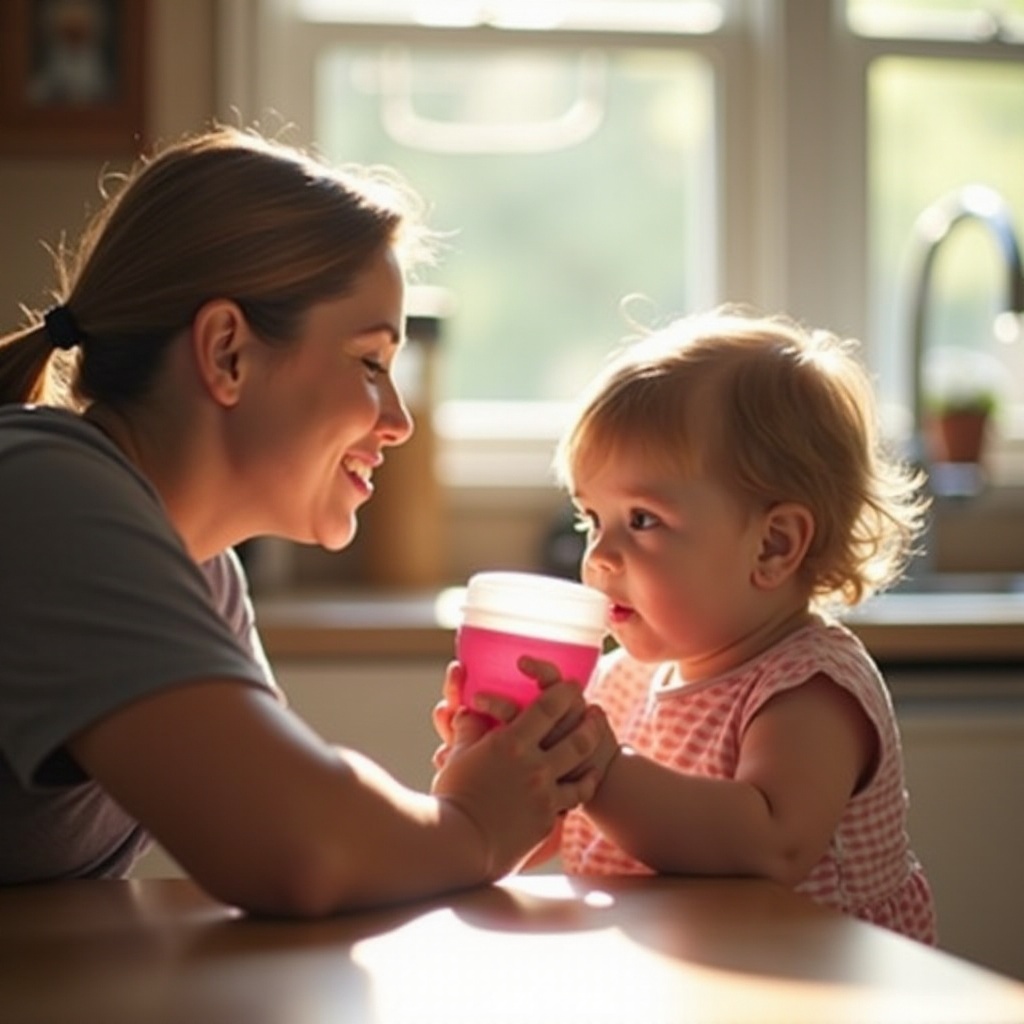
Understanding Sippy Cups
Understanding the functional role and benefits of sippy cups offers a clearer perspective on their use in a child’s early development. These specialized cups serve as an intermediate step between bottles and open cups, enabling children to develop essential drinking skills.
What Are Sippy Cups?
Sippy cups are designed to help children drink independently by featuring a spill-proof spout. Their construction guards against messes while training young children to control liquid flow as they transition from sucking on bottles or breastfeeding to handling a cup.
Benefits of Sippy Cups
The key advantage of sippy cups is their ability to foster independence. Encouraging children to drink without spilling supports the development of hand-eye coordination and muscle control—skills essential for more advanced drinking techniques. Additionally, they help ensure that children remain hydrated during various activities, both indoors and outside.
Signs Your Child Is Ready to Transition
Being aware of readiness signs allows parents to transition children at the right time, avoiding potential difficulties due to premature or delayed changes.
Developmental Milestones
-
Increased Confidence: Watch for signs that your child is gaining confidence in handling objects, such as toys. Smooth manipulation of items indicates readiness to manage an open cup.
-
Imitation of Adults: Children often learn by emulating adults. If your child shows interest in using your glass or requests a ‘big kid’ cup, it may indicate openness to trying a regular cup.
Physical Readiness Indicators
-
Oral Motor Skills: A child who manages solid foods effectively likely possesses the oral motor skills needed to control liquid flow from an open cup or straw.
-
Solid Feeding Habits: Consistent use of utensils and minimal mess during meals suggests that hand-eye coordination is developed enough for using a regular cup.
The Importance of Timing
Transitioning at the optimal time is essential for avoiding potential health concerns and promoting a child’s growth. This is why recognizing the appropriate moment is critical.
Oral Health Considerations
Extended sippy cup use can result in prolonged exposure to sugary liquids through sucking, increasing the risk of tooth decay. Moving to regular cups can mitigate this risk.
Impact on Speech Development
Prolonged use of sippy cups with rigid spouts may hinder speech development by restricting necessary tongue movements for sound formation. Transitioning to regular cups supports better tongue activity, beneficial for speech.
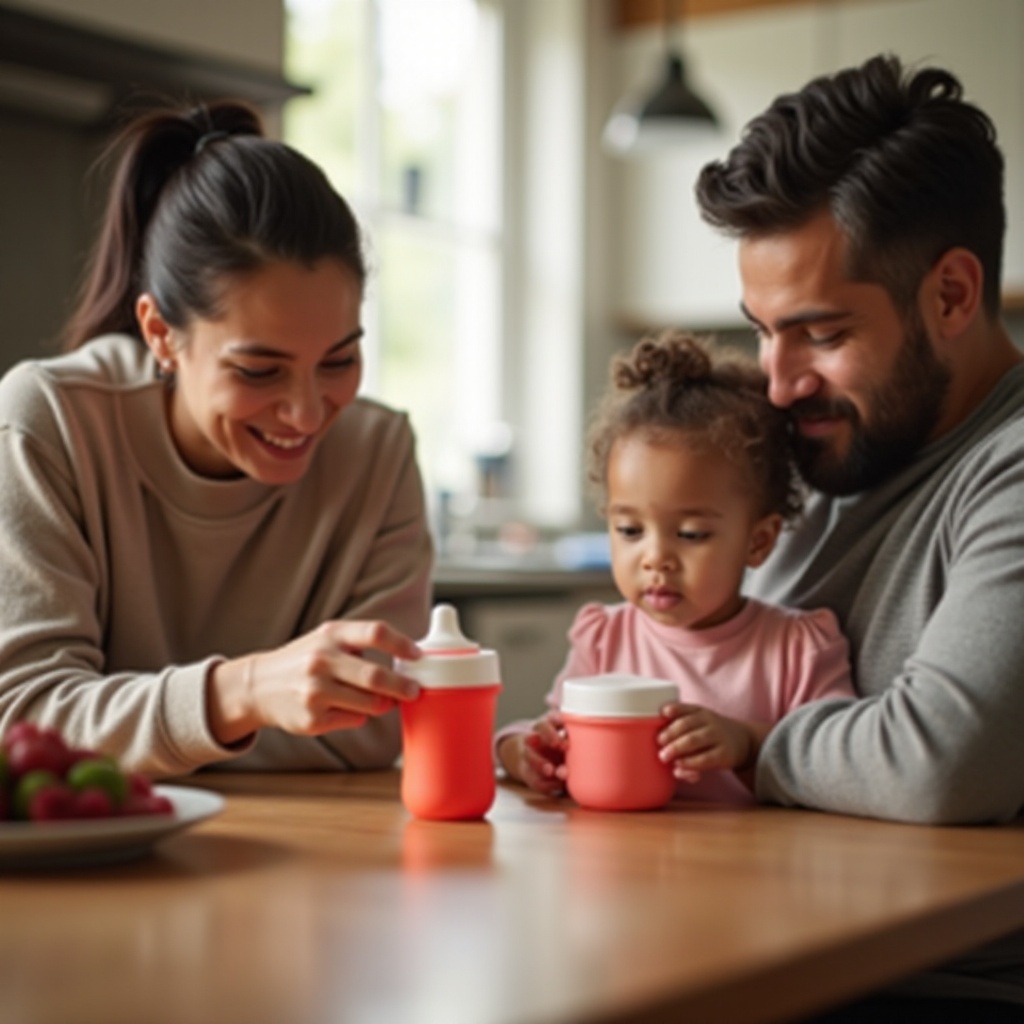
How to Transition Away from Sippy Cups
Making a smooth transition from sippy cups requires patience and flexibility. Implement these methods to facilitate a successful transition:
Gradual Transition Strategies
-
Start at Meal Times: Offer an open cup during meals when supervision is easier. This provides a safe environment for practice.
-
Introduce Open Cups Slowly: Replace one sippy cup session per day with an open cup. Gradually increase this as your child grows more confident.
-
Balance with Spill-Proof Options: Use leak-proof straw cups when spills are expected, such as during travel.
Encouraging Open Cup Usage
-
Positive Reinforcement: Celebrate each success with positive reinforcement. Encouragement and rewards can create a positive association with transitioning.
-
Make It Special: Select special cups featuring favorite colors or designs to make the experience more appealing to children.
Choosing the Right Cups Post-Sippy Stage
Choosing suitable cups can significantly impact your child’s ease of transition. Consider these options to facilitate a comfortable switch:
Types of Training Cups
-
Open Cups: Start with cups easy for small hands to hold and tilt. Non-slip bases help reduce spills during initial practice.
-
Straw Cups: Consider straw cups that are spill-proof and promote oral motor skills, bridging the gap between sippy and open cups.
Features to Consider
-
Size and Weight: Ensure cups are lightweight and easy for children to handle effectively.
-
Material: Opt for BPA-free materials known for safety and durability—silicone and stainless-steel cups are good choices.
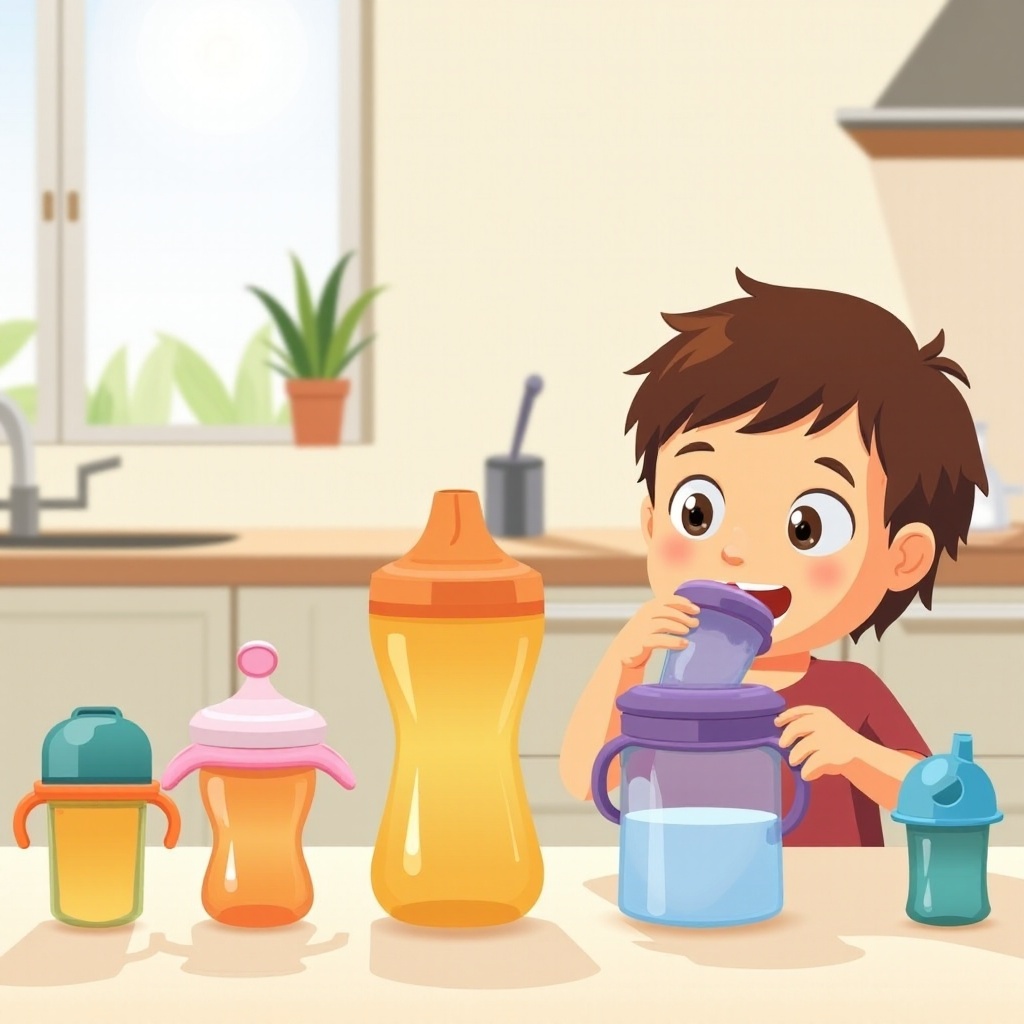
Tips for Parents: Making the Change Easier
As your child navigates this transition, additional support from parents can ease the process and help establish new habits.
Common Challenges
-
Resistance to Change: Prepare for resistance by introducing new cups gradually without applying pressure.
-
Spills and Messes: Understand that occasional spills are part of learning. Patience is crucial as your child adapts.
Fun and Engaging Methods
-
Role Play: Integrate playtime by role-playing with stuffed toys that use cups, making practice more enjoyable.
-
Storytime Integration: Share stories highlighting characters who use open cups to normalize and celebrate this transition effectively.
Conclusion
Transitioning away from sippy cups is a significant milestone that requires patience and careful timing. By identifying readiness signs and employing gradual transition techniques, parents can make this process a rewarding experience. Selecting the right cups with thoughtful features will support your child’s progress toward greater independence and skill development.
Frequently Asked Questions
What age should a child stop using a sippy cup?
Most experts recommend stopping the use of sippy cups by age 2 to 3 to promote proper oral development.
How can I encourage my child to use a regular cup?
Encourage regular cup usage with positive reinforcement, by associating it with special cups, and through fun activities or role play.
Are there any long-term risks of using sippy cups?
Prolonged use of sippy cups may lead to dental issues and speech development delays, thus timely transitioning is important.